Feng Shui (风水, “wind-water”) is a traditional Chinese system of spatial arrangement aiming to harmonize human activities with environmental energy flow (“Qi”). Historically applied to architecture, burial sites, and urban planning.Originated 6,000 years ago,UNESCO-recognized as Intangible Cultural Heritage (2018).

Feng shui can be applied to house selection, room arrangement, and workplace layout. Through spatial design and decoration placement, it makes the surrounding environment comfortable for people and brings health and good fortune to the users.
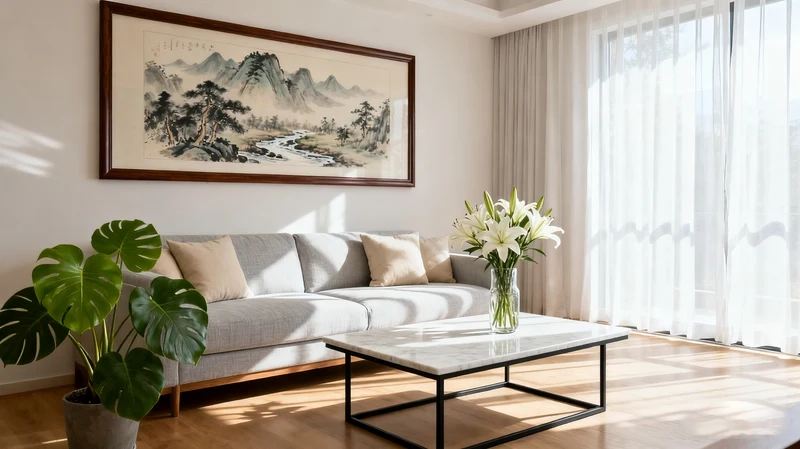
Some specific items, which absorb the energy of heaven and earth and are crafted with exquisite skills by artisans, become feng shui treasures that can protect the wearers. If these treasures are blessed by people with profound spiritual attainments, their energy will be even stronger, helping the wearers ward off bad luck and evil spirits.
scientific research about fengshui
There are relevant scientific studies on the functions of feng shui.In 2009, Nobel winning scientist Dr. Luc Montagnier published his research findings on the bioactivity of homeopathic preparations validating that highly diluted and succussed solutions emit low frequency electromagnetic waves capable of conveying accurate information about the source substance. Physicist colleagues propose that the stable nanostructures in water emerge as coherent quantum domains that are surrounded by an electron cloud, are relative stable and have the ability to carry information.
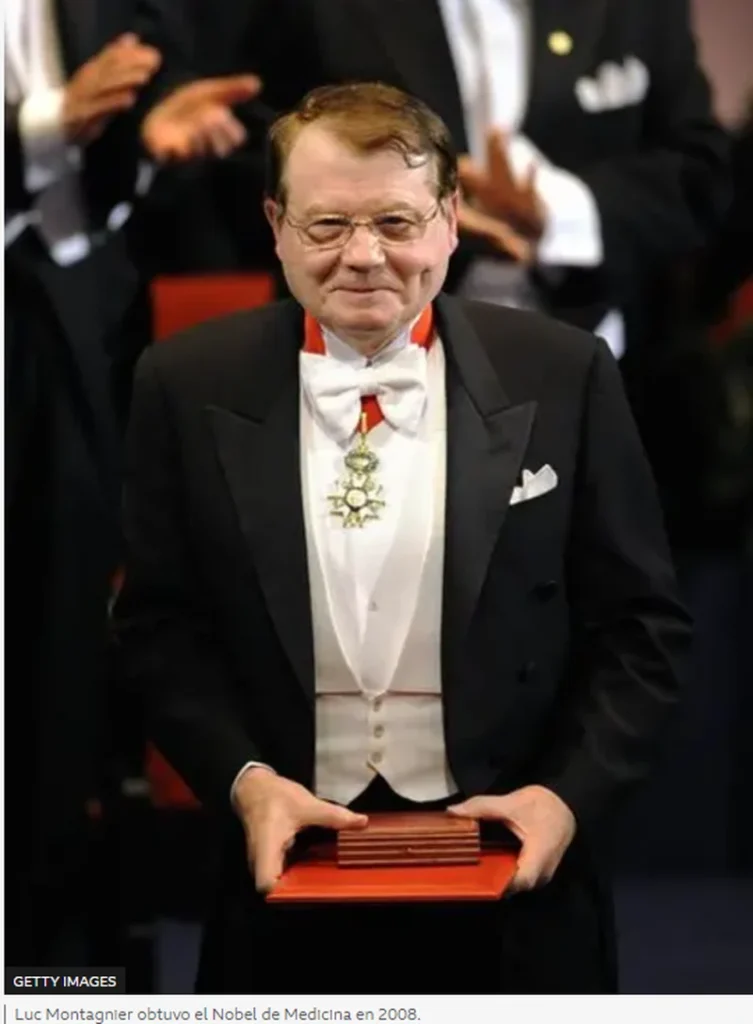
The water can convey information of life ,water is Shui in Chinese . So, 6000 years ago ,the Chinese wisemen found the connection between human life and surrroundings and managed to use the connection improving people`s life and health.
The Practical Application of Feng Shui in a Modern Context: Integrating Traditional Wisdom with Contemporary Life
Feng shui, a core element of traditional Chinese environmental philosophy, emphasizes the flow and balance of “qi” (energy). It aims to enhance health, prosperity, and harmony by adjusting spatial layouts. In modern society, as urbanization accelerates and life rhythms quicken, feng shui has not faded away. Instead, driven by concepts in technology, design, and sustainable development, it has been revitalized. People are increasingly recognizing that feng shui is not superstition, but a practical tool that combines environmental psychology, architecture, and ecology. It helps individuals and communities find balance in high-pressure environments, improving quality of life and work efficiency. The following sections will explore three core subtopics—feng shui in modern homes, its application in offices and businesses, and its practice in urban planning—to illustrate how feng shui has evolved from tradition to modernity and integrated into all aspects of daily life.
1. Feng Shui in Modern Home Design: Creating a Harmonious Living Environment
In the fast-paced modern life, homes are not only shelters for rest but also the foundation of physical and mental health. The application of feng shui in homes has evolved from simple orientation selection to a comprehensive approach that incorporates modern design concepts. Its core lies in optimizing the flow of “qi,” creating positive life energy through interior layout, color matching, and material selection. For instance, in modern apartment design, feng shui principles emphasize the concept of “bright living rooms and dark bedrooms” (“明堂暗室”). This not only enhances natural lighting but also reduces the interference of blue light from electronic devices on sleep. From multiple perspectives, this application offers various benefits:
Health and Psychological Perspective: Studies have shown that reasonable furniture placement—such as positioning the head of the bed against a wall to enhance a sense of security—can reduce stress levels and promote deep sleep. The “water elements” advocated by feng shui, like small indoor fountains or fish tanks, simulate natural sounds and alleviate anxiety. This is not metaphysics but based on environmental psychology; a Harvard University study revealed that optimized spatial layouts can increase happiness by 20%.
Integration of Functionality and Aesthetics: Modern homes often face the issue of limited space. Feng shui guides furniture arrangement through the “Eight Trigrams” (“八卦方位”)—for example, placing the kitchen in the southeast to symbolize wealth—avoiding clutter and improving practicality. Brands like IKEA have incorporated feng shui elements into their modular furniture designs to ensure smooth “qi” flow. Meanwhile, color feng shui—such as using blue (representing the water element) in studies to enhance focus—seamlessly integrates with modern minimalist styles, achieving both aesthetic appeal and functionality.
In summary, home feng shui is a wise tool for improving quality of life, helping people find inner peace in the urban jungle.
- Feng Shui in Offices and Businesses: Enhancing Efficiency and Financial Fortune
In the business world, feng shui has moved from being a marginal topic to a part of corporate strategy. Modern office environments emphasize humanization and high efficiency. By optimizing the flow of spatial energy, feng shui directly impacts employee productivity, corporate innovation, and financial performance. Its subtopics focus on office design, retail space layout, and the integration of remote work, with the core principle of “gathering wind and storing qi” (“藏风聚气”)—accumulating positive energy to dispel fatigue and conflicts. For example, Silicon Valley tech companies like Google often hire feng shui consultants to design open office areas, ensuring unobstructed walkways (to avoid “stagnant qi”), which reduces employee turnover rates. A multi-dimensional analysis reveals:
Economic Benefits and Team Dynamics: Feng shui layouts can significantly boost business performance. Data shows that retail stores with optimized “wealth positions”—such as cash registers placed at the diagonal of the entrance—experience an average 15% increase in sales. In office environments, feng shui principles like “placing the boss’s seat against a wall to symbolize support” and “using plants to purify air” reduce sick leave rates.
Multi-Angle Interpretation: From a management perspective, this aligns with ergonomics, avoiding visual distractions. From a cultural perspective, it inherits the concept of “harmony between humans and nature” (“天人合一”) and enhances team cohesion. For example, Tencent’s headquarters adopts a circular layout to promote collaboration, echoing the “circulating energy” in feng shui.
Integration of Technology and Innovation: Modern commercial feng shui has embraced digitalization. Apps like Feng Shui Master provide virtual layout advice, while smart home systems can automatically adjust lighting and air flow to simulate “auspicious directions.” In the era of remote work, feng shui offers guidance on setting up home offices—such as keeping screens away from mirror reflections—to ensure a work-life balance. This reflects creative adaptation: traditional feng shui is combined with AI algorithms to predict spatial impacts, making its application more accurate.
In short, office feng shui is an invisible engine for modern corporate competitiveness, driving sustainable growth.
3. Feng Shui in Urban Planning: Building Ecologically Harmonious Cities
Amid the wave of urbanization, feng shui principles are being incorporated into macro planning to address environmental pressures and social fragmentation. This subtopic expands feng shui from individual spaces to the community scale, emphasizing building orientation, greenery, and public space design to achieve “harmony between humans and the land” (“人地和谐”). Modern feng shui advocates the concept of “backing onto yin and facing yang” (“负阴抱阳”)—buildings backed by mountains and facing water—which is widely applied in eco-cities like Singapore’s “Garden City” project. By simulating natural air flow, this reduces the urban heat island effect.
Sustainability and Environmental Benefits: Feng shui planning directly supports green development. For example, urban layouts focus on “dragon veins” (“龙脉,” energy lines); the north-south orientation of the Beijing Olympic Village optimizes solar energy utilization and reduces carbon emissions by 30%. Multi-angle verification shows: from an ecological perspective, the “integration of water elements” advocated by feng shui—such as urban river purification—reduces flood risks. From a sociological perspective, it promotes community interaction; placing parks in central locations (symbolizing “gathering qi”) enhances residents’ happiness. Data from the United Nations indicates that cities guided by feng shui have greater resilience and recover faster after disasters.
Collaboration Between Culture and Modern Technology: Traditional feng shui wisdom is being empowered by technologies like BIM (Building Information Modeling) and GIS (Geographic Information Systems). Metropolises like Shanghai use software to simulate “qi” flow in new district planning, ensuring building spacing avoids a “sense of oppression.” A creative application is seen in heritage protection: the restoration of the Forbidden City incorporates feng shui while using new materials to enhance durability. This is not just a technological upgrade but also a cultural revival—feng shui, as an intangible cultural heritage, strengthens urban identity.
Through interdisciplinary research (such as combining feng shui with feng shui studies), its benefits can be quantified. In the future, as the climate crisis intensifies, feng shui may become a standard for smart cities, advancing the global sustainable development agenda.
Feng shui’s application in a modern context has transcended traditional frameworks, evolving into a practical discipline that integrates science, culture, and innovation. From homes to offices, and then to urban planning, feng shui not only enhances personal well-being and business efficiency but also contributes to ecological balance, embodying the eternal wisdom of “harmony between humans and nature.”
Feng shui may become part of a global design language, guiding humanity to regain harmony in a noisy world. Ultimately, the essence of feng shui reminds us that space is not a cold container, but a vibrant energy field worthy of careful cultivation.
Many large international corporations use Feng Shui to guide their major business decisions. Forbes reports that 42% of Fortune 500 companies in the Asia-Pacific region consult Feng Shui masters for their office layouts. For instance, the headquarters of HSBC in Hong Kong features an angled entrance to “accumulate wealth energy”. Google’s headquarters in California has circular pathways designed to “stimulate creative energy”. Offices of Citibank, JPMorgan Chase, Bank of Manhattan, and The Asian Wall Street Journal are all designed in accordance with Feng Shui principles.

Research in other disciplines has found that Feng Shui exerts positive effects on people’s physical and mental well-being. A study by the American Psychological Association showed that Feng Shui-inspired designs reduce clutter, thereby lowering stress levels by 27%. The Journal of Environmental Psychology found that natural light arrangements based on Feng Shui principles can boost productivity by 15%.
For individuals, here are the scenarios where Feng Shui can be applied: • When moving house: Assess whether the new house is compatible with you and beneficial to your luck, wealth, health, and happiness. If not, remedial measures can help.
• Choosing an auspicious date: For important life events such as weddings, business openings, or other significant occasions.
• Turning around bad luck: When encountering troubles, identify the causes and take corresponding remedial actions.
• Dealing with other frustrating or unexplainable setbacks: There may be some subtle factors at play, and you can seek solutions through Feng Shui.